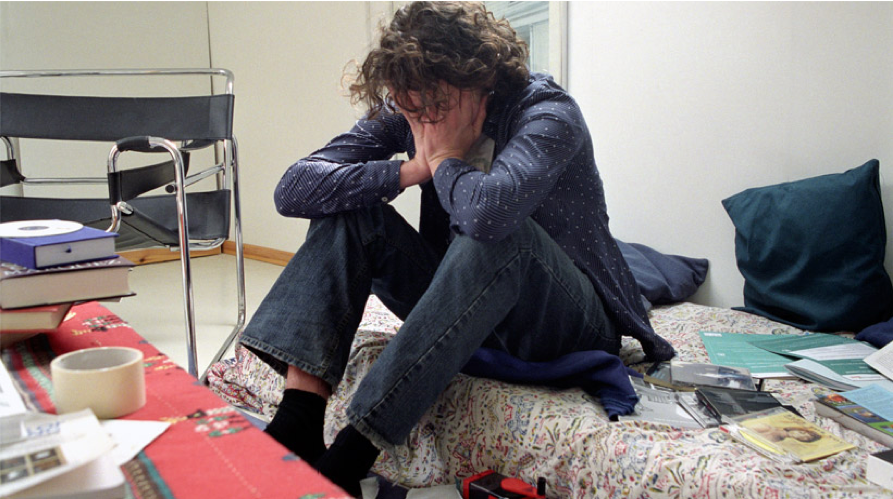
Mental health, an ongoing issue that university students across South Africa face every single day. Every year, more and more students are struggling to cope with the major transition to complete independence in university life, and the stigma and shame in seeking help results in experiences of depression, anxiety, stress and even suicide.
University is meant to be the best years that generate the best memories in one’s life, however, for the majority of students, university can be the hardest years that they have ever experienced. The lack of awareness and understanding of mental health issues across all university campuses in South Africa is betraying and impeding to many potential young leaders from growing into the successful individuals that they were born to be.
This transition is a massive developmental period that is commonly associated with social, emotional and psychological challenges and changes. There are a number of tricky transitions that students have to face when entering into their new young adulthood. Students often deal with changes in peer and family relationships, some leave their homes and move into a new social environment with heightened and multiple opportunities for substance misuse and abuse, as well as an increase in financial concerns and academic pressure. “Students in our universities are subjected to a number of challenges such as financial exclusion, academic exclusion, victimisation, killings and abuse which affects their mental health severely on a daily basis”, says president of the South African Union of Students, Misheck Mugabe.
In 2013 to 2016, Stellenbosch University conducted a study among 1337 thousand students from diverse backgrounds and contexts. The study reflected a distressing amount of 12% of university students that suffer from moderate to severe symptoms of depression and an amount of 15% that suffer moderate to severe symptoms of anxiety. Approximately 50% of students abuse substances, mainly alcohol. The study further showed that 24.5% of South African students reported some kind of suicidal ideation in the short two weeks before they were interviewed for the study. These alarming statistics are still very much present and growing in today’s landscape, across all universities in South Africa. For example, in 2017, six students at the University of Cape Town died from ‘unnatural causes’ which were associated with depression and mental health issues. A student from WITS university jumped off the sixth floor from a residence building in Braamfontein due to suffering from severe depression.
In 2018, twitter saw South African students in complete turmoil. @GaorutweX tweeted, “UCT and good mental health mix like oil and water. It’s heart breaking. I hope we’ll be able to look out for each other to make up for this deficit” and @fistvoices tweeted, “WITS has had 3 suicides this year alone. The silence is alarming. The university has never taken mental health seriously. It’s an afterthought. Students are jumping buildings and killing themselves and yet everything is ok. Everything is ok. Business as usual”. One student even went as far as saying, “Come let me fuck up your mental health a bit – Rhodes University”, tweeted by @Uminathi11.
South African Depression and Anxiety Group (SADAG) operations director, Cassey Chambers comments, “The youth are not equipped with enough coping skills or support structures to handle the kind of problems that they have to deal with every day”. SADAG released an alarming figure that every one in four university students have been diagnosed with depression.
Across most universities in South Africa, students suffering from mental health issues are offered wellness services and at times are encouraged to speak to a counsellor on campus, however, a stigma has been entrenched into people’s brains concerning the action to seek help in the sphere of mental health. It is due to this reason that the majority of students, who suffer deep pain, do not ask or seek help or medical attention.
Marginalised groups can feel oppressed or trapped in spaces that overtly and covertly dehumanise their existence and being. Students who are struggling to come to terms with their sexual orientation or their non-heteronormative gender identity, can feel greatly defenceless, vulnerable or subordinate in an environment that is hostile towards their identity.
“Mental health is a serious illness and just like any other health issue, it needs real treatment,” says Chambers. Young adulthood is also a pinnacle stage for the onset of various significant psychological issues and illnesses. When such mental health issues go untreated, it can have serious impacts on young individuals social and academic development, and their motivation. This could lead any individual to academic failure, and even problems with isolation, discrimination and social stigma.
The lack of resources and data on the subject matter of mental health awareness and its statistics on students in South Africa, indicates how this matter is not being discussed and how its causing many students who face mental health issues to slip through the cracks.
 Putting Life Back into the Student