I’ve always envied people who can just gracefully move from one place or situation to the next, without the slightest worry in the world. I wish I was one of those people but sometimes, dealing with change is bloody scary and definitely doesn’t come to me as effortlessly as Id like. However, I know I am not alone in this, which is actually kind of normal.
For the function of this blog, lets use the definition of change from PersonalityResearch.org:
“… a modification to a person’s environment, situation, or physical or mental condition that results in circumstances that challenge their existing lifestyle.”
Keeping in Touch
As exciting as it seems to move away from home and into a place of your own, it is a huge adjustment. Once all the excitement for the anticipated freedom and independent lifestyle is over, you are bound to experience unfamiliar emotions. It is important to speak to family about your feelings and challenges. You are now in a completely different realm, it is okay to feel unsure and overwhelmed. Talking and expressing your feelings helps to get perspective on your situation and potentially receiving good advice on how to tackle uncertainties. Keeping in touch with family and friends will remind you of the familiar and maintain vital connections giving you a sense of belonging during your transitional phase.
I call my mom at least 2-3 times a week as she lives in Johannesburg. Hearing her voice and especially her laughter brightens up my day and comforts me like no other. I am lucky enough to have my oldest brother living in Cape Town. We meet up for a coffee or breakfast at least twice a month, which also alleviates a lot of my stress and anxiety about living alone and independent.

Taking Responsibility and Accountability
Establish your responsibilities for studies and living independently from the outset. Be clear of the requirements to enable full accountability. Being accountable for outcomes is paramount for a responsible and mature lifestyle and achieving goals.
I’ve always been an independent woman, so having to take responsibility and accountability was not the hardest thing for me to do. However, I know that it doesn’t come easy for many people.
Chores
Now that you are on your own, life changes somewhat. Draw up a list of chores that need to be done and work out a weekly schedule reflecting what needs to be done and when. TRUST ME, I live by the fridge door lists. You wont regret such planning.
Examples of chores would be: Meal plans, food shopping, paying bills, filling your car with petrol, arranging transport tickets, cleaning the house/digs/apartment, doing laundry, pharmacy visits etc.
Setting Goals
It is extremely important to set goals so that you have a purpose and direction to follow. However, setting a goal doesn’t have to be cast in stone as things change as you are exposed to increased knowledge and experiences in life. If necessary, adjust your goals where applicable, but always have one so that you don’t trail off your path of responsibility, accountability, purpose and getting things done.
An idea to set realistic and achievable goals can be done in the following way:
Have one long term goal – say 3 to 4 years (length of time for studies) What are your plans once studies are completed? And WHO do YOU want to be?
E.g. 1st job, dream job, travel, contribution to society, etc
Medium term goal – break long term goal into 1 year periods (adjusting where necessary)
E.g. Studies, health, recreation, student job, family, friends and self improvement
Short term goals – break down yearly goals into monthly goals. This helps you put things into perspective, not getting lost along the way and ultimately realising your medium and long term goals. Ask yourself what you have to do each month to achieve your yearly goal.
E.g. Planning a study schedule and staying on top of it, keeping connections with family and existing friends, making new friends and creating balance.
Daily actions – In order to achieve the monthly goals, write down daily activities that are required. By doing this you will stay on top of things, create balance and realise that there is time for recreation and quality sleep. Having a daily discipline of small actions will reduce time pressures and stress, allowing you to see things more clearly and ultimately achieve your long term goal.
E.g. Refer to your study plan and daily chores and DO it.

Career Pressure
Education Institutions and society in general place pressure on you to know what your career choices are at the get go. Don’t succumb to this. Once we leave school there are many avenues we haven’t yet been exposed to. Often it is a process of discovery to find out what we in fact actually are interested in and drawn to. Keep an open mind and investigate options and possibilities. Sometimes we are certain of what we want to study or pursue as a career at the beginning and then down the line realise it is not for you. It is okay to change direction.
Keep Busy
Keep busy and structure your days, including down time. The less you do the less you want to do. Too much of doing nothing makes you lazy and unmotivated adding further to feelings of anxiety. Good healthy balance allows reaching your full potential and promotes improved self esteem.
Yoga, Secret Sunrise, afternoon runs, reading, series etc. are great to keep busy!

It’s Okay to Make Mistakes
Society tells us we can’t be wrong or make mistakes creating a feeling of shame. It’s okay to make mistakes, that is how we learn what is not for us and what is right for us.
Keeping Your Expectations Realistic
Keep expectations realistic when setting goals and daily activities and adjust where necessary. If expectations are too high you will experience unhealthy pressure and anxiety becoming overwhelmed and potentially losing self worth and eventually giving up.
Don’t Isolate Yourself
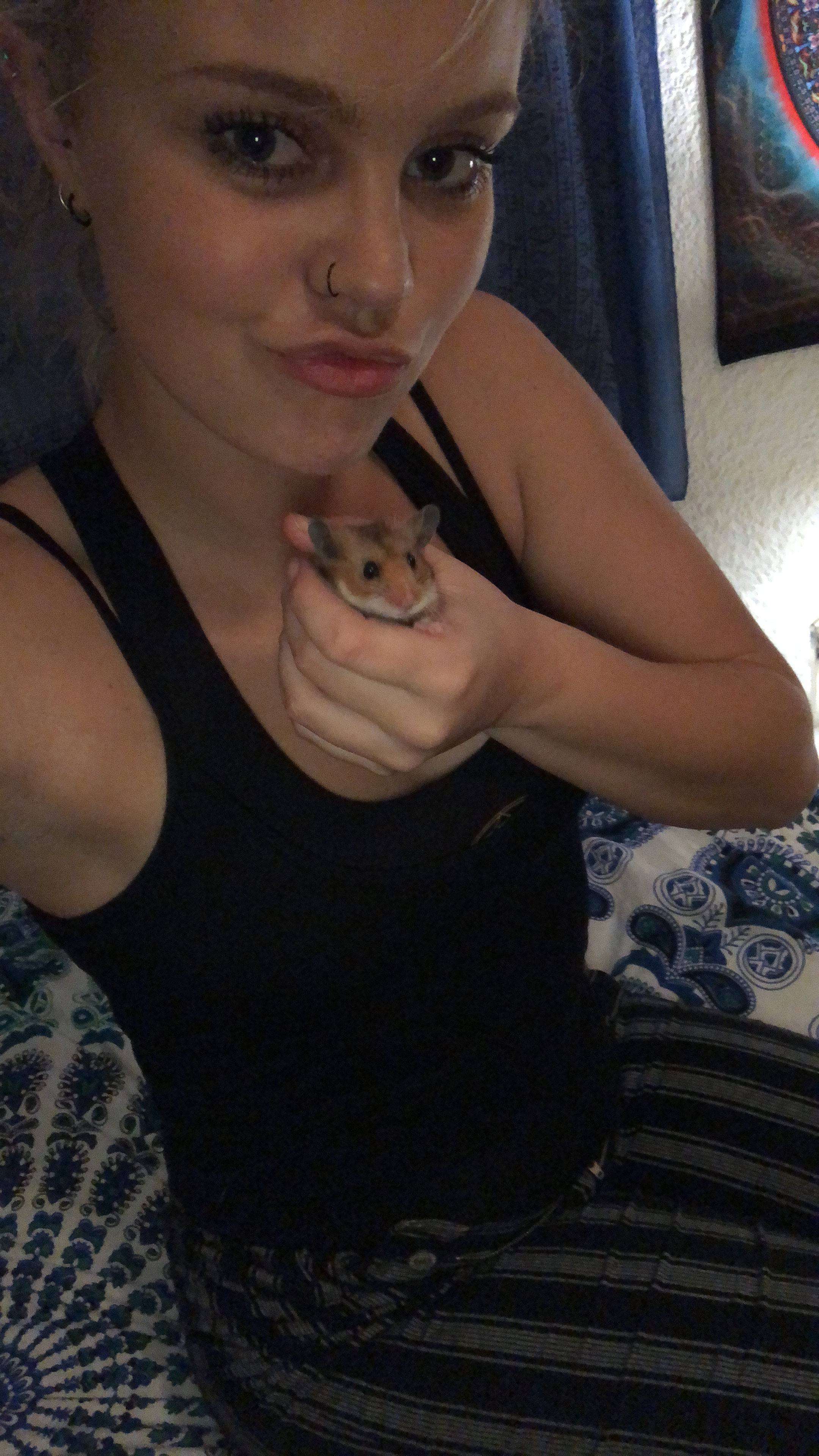
Don’t isolate yourself. Make an effort to be open and friendly on campus and involve yourself in social circles and events. Isolation can exacerbate anxiety. Although it may not appear from the outside, many people are also experiencing the same challenges and uncertainty as you. Trust me, I basically lived in complete isolation last year during my first year, and not because I wanted to, but just because I didn’t know how to not to. So you know what I did? I bought a teddy bear hamster and a little bunny. Yes, I was so lonely that I bought a hamster and a bunny. I would cook and clean and chat to my animals whilst doing so, of which my mates thought was quite sad. But screw them, I had the best times with Humphrey and Benji.

Bring Home Comforts
Bring personal items from your childhood home to establish a homely feel in your new place, creating a familiar and comforting living space. Occasionally spoil yourself with treats. Most importantly, create your own positive energy you require in your living space.
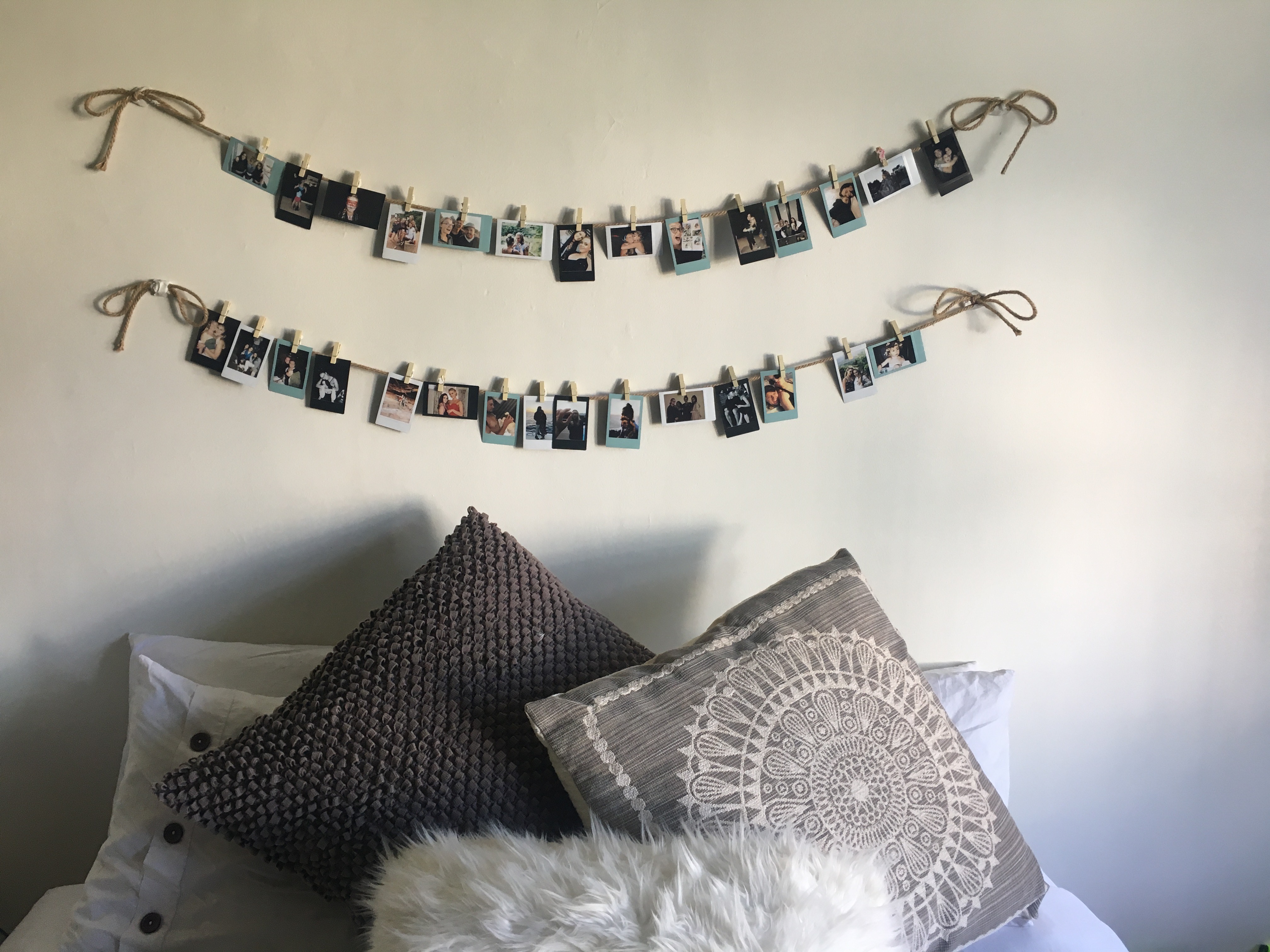
I have rows of photos of my family, boyfriend and best friends on the wall above my bed. Its just a little reminder for me that I do have the most incredible souls in my life, and how lucky I am to have these people to support me.
 Putting Life Back into the Student